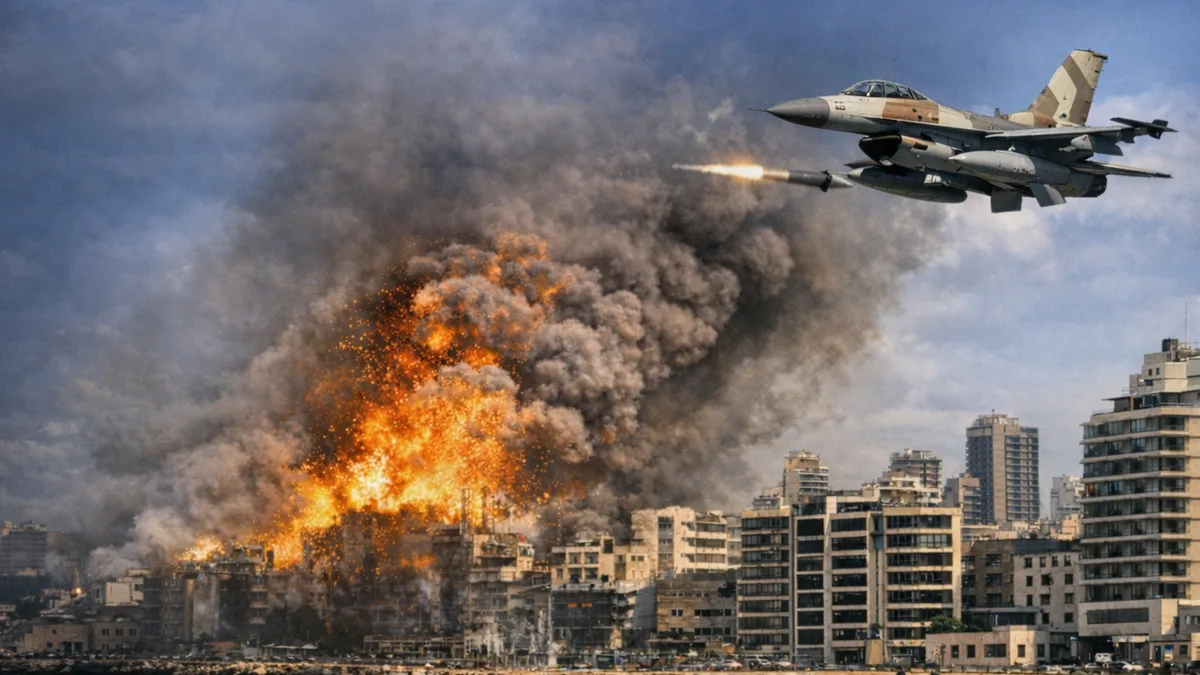
Pakistan-Occupied Kashmir Unrest 2026: Multiple Deaths Reported During Protests
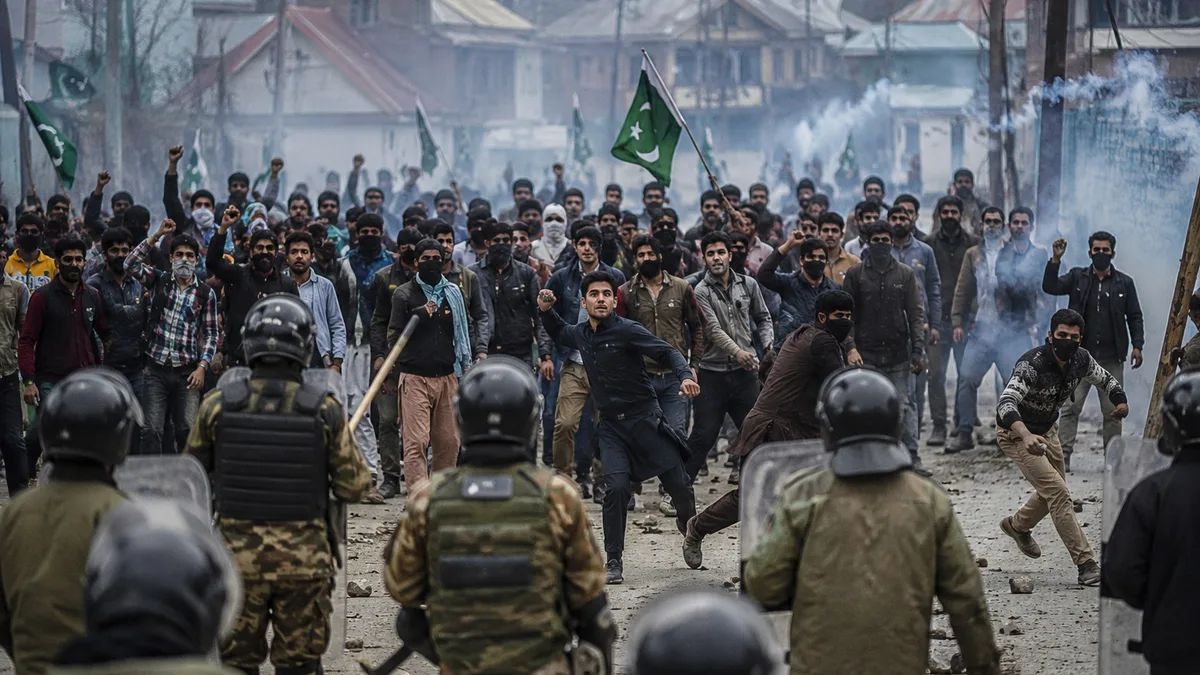

Several people were killed and dozens injured during protests in Pakistan-Occupied Kashmir. Read the full report on the unrest, security crackdown, and latest developments.
Pakistan-Occupied Kashmir (PoK) has once again become the center of attention after large-scale protests across the region reportedly resulted in multiple deaths and dozens of injuries. The demonstrations, which initially began as a political movement, quickly escalated into violent clashes between protesters and security forces, creating a tense situation in several cities and towns.
According to reports, thousands of people participated in demonstrations demanding changes to political policies and greater representation in regional governance. As crowds gathered in various locations, tensions increased and confrontations were reported between protesters and law enforcement personnel.
The latest unrest has emerged as one of the most significant political crises in the region in recent months, attracting attention from both local observers and international organizations.
What Triggered the Demonstrations?The protests are believed to be linked to growing dissatisfaction over political representation and electoral policies in the region. Demonstrators have raised concerns regarding decisions that they claim could influence the political future of Pakistan-Occupied Kashmir.
Several activist groups and local organizations called for peaceful demonstrations to express their concerns. However, as the movement gained momentum, the situation became increasingly tense. Protesters accused authorities of ignoring public concerns, while officials argued that law and order needed to be maintained.
Many participants stated that the demonstrations were intended to highlight issues affecting local communities, including governance, representation, and economic challenges.
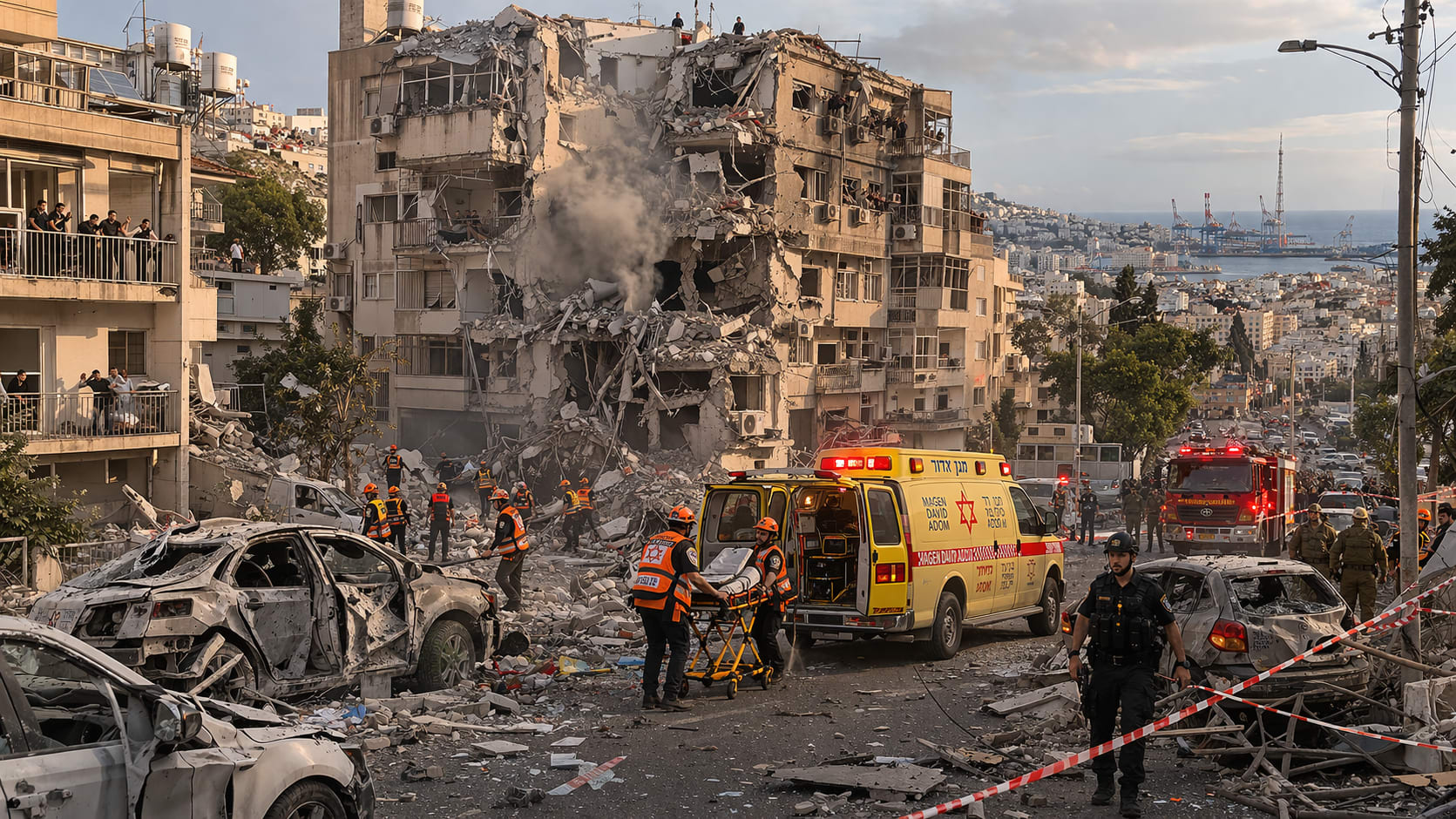
Clashes Lead to CasualtiesAs demonstrations intensified, clashes reportedly broke out in multiple areas. Witnesses described scenes of chaos as protesters and security personnel confronted one another in crowded public spaces.
Reports indicate that several people lost their lives during the unrest, while dozens more suffered injuries. Emergency services and medical teams were deployed to assist those affected, and hospitals in nearby areas received injured individuals for treatment.
The rising number of casualties has become the most concerning aspect of the crisis, with families seeking answers and authorities facing increasing pressure to explain the circumstances surrounding the deaths.
Local residents reported hearing loud confrontations and witnessing security operations aimed at dispersing crowds. In some locations, roads were blocked and public transportation services were temporarily disrupted due to the unrest.
Major Security Operation LaunchedFollowing the violence, authorities launched a large-scale security operation across several districts. Additional personnel were deployed to sensitive areas, while checkpoints were established to monitor movement and prevent further disturbances.
Security officials stated that the measures were necessary to restore stability and protect public property. However, critics argue that increased restrictions could further fuel tensions if dialogue is not prioritized.
Several reports also suggested that authorities imposed restrictions in certain areas to prevent additional gatherings. The heightened security presence has significantly changed daily life for many residents.
The security response has become a major point of debate, with supporters viewing it as necessary for maintaining order and critics calling for greater emphasis on peaceful negotiations.
Daily Life DisruptedThe unrest has affected businesses, transportation, and public services in several parts of the region. Markets remained partially closed in some towns, while educational institutions and commercial activities experienced disruptions.
Residents described an atmosphere of uncertainty as people closely followed developments. Many families chose to remain indoors due to concerns about safety and possible further clashes.
Economic experts have warned that prolonged instability could affect local businesses and reduce commercial activity if the situation continues for an extended period.
International Attention GrowingThe developments in Pakistan-Occupied Kashmir have drawn attention from international observers and human rights organizations. Several groups have called for restraint from all sides and emphasized the importance of protecting civilian lives.
Observers have urged authorities and protest leaders to engage in meaningful discussions aimed at reducing tensions and preventing further violence. Analysts believe that constructive dialogue will be essential to restoring normalcy and addressing the concerns that sparked the demonstrations.
Many experts warn that without a peaceful resolution, the unrest could continue to create challenges for governance, public confidence, and regional stability.
What Happens Next?Authorities are continuing their investigation into the incidents that led to the deaths and injuries reported during the protests. Officials have promised to review the situation and take appropriate action based on the findings.
Meanwhile, protest organizers continue to demand that their concerns be addressed through dialogue and political engagement. The coming days are expected to be crucial as both sides determine their next steps.
ConclusionThe latest unrest in Pakistan-Occupied Kashmir has highlighted growing political tensions and concerns among local communities. With multiple deaths reported, dozens injured, and security forces maintaining a strong presence across the region, the situation remains highly sensitive.
As residents seek answers and leaders face increasing pressure to restore stability, the focus now shifts toward whether meaningful dialogue can prevent further violence and bring lasting peace to the region.