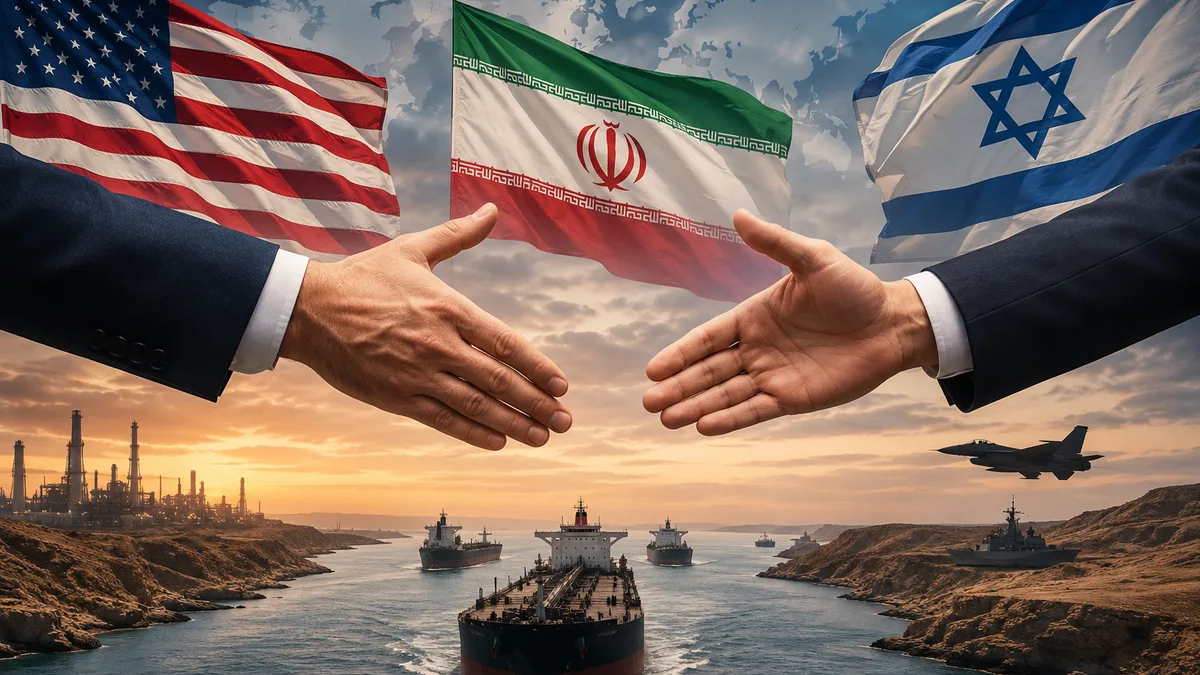
Israel Strikes Lebanon Despite Ceasefire as Iran Warns of Possible Escalation
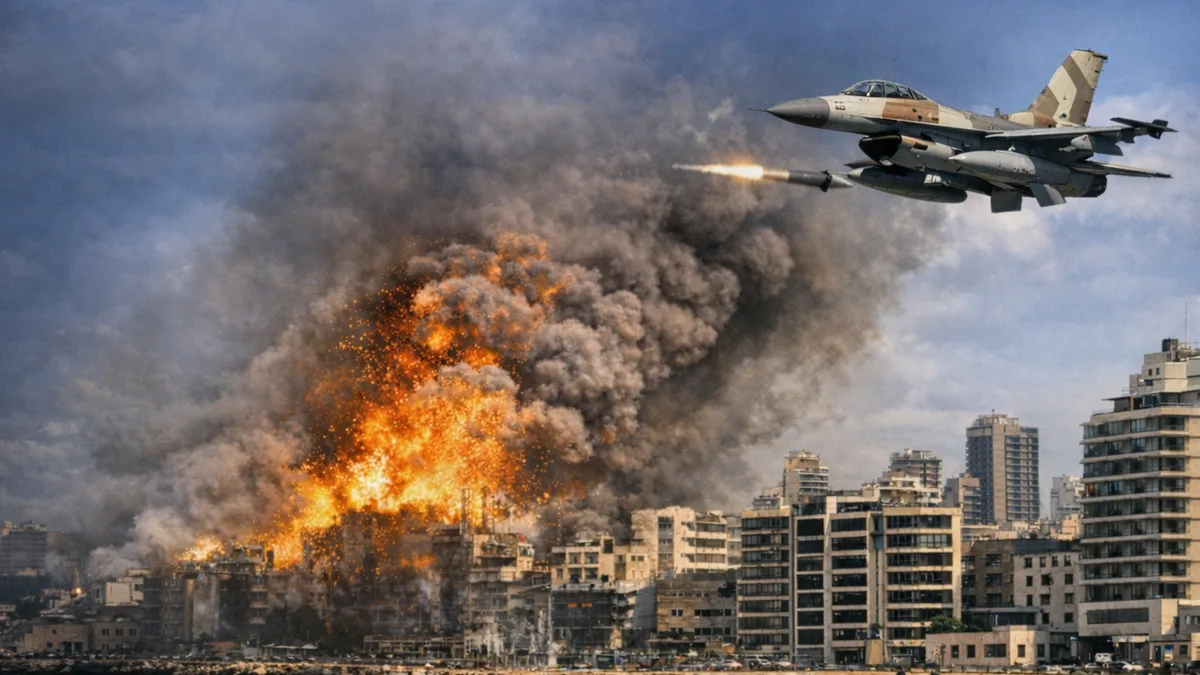

Israel launched strikes in Lebanon after the US-Iran ceasefire announcement. Iran warned tensions could escalate again across the Middle East.
Israel Strikes Lebanon Despite Ceasefire as Iran Issues Warning Over Escalating Middle East Tensions
Key Highlights- Israel launched major airstrikes across Lebanon despite the recent US-Iran ceasefire announcement
- Israeli officials confirmed the ceasefire does not include operations against Hezbollah in Lebanon
- Over 100 Hezbollah-linked targets reportedly hit during the strikes
- More than 250 casualties reported across affected regions
- Iran warned of possible response if attacks continue
- United Nations called civilian impact “horrific”
- Strait of Hormuz tensions increased after regional escalation fears
- Risk of wider Middle East conflict rising again
Israel Continues Lebanon Airstrikes After Ceasefire Announcement
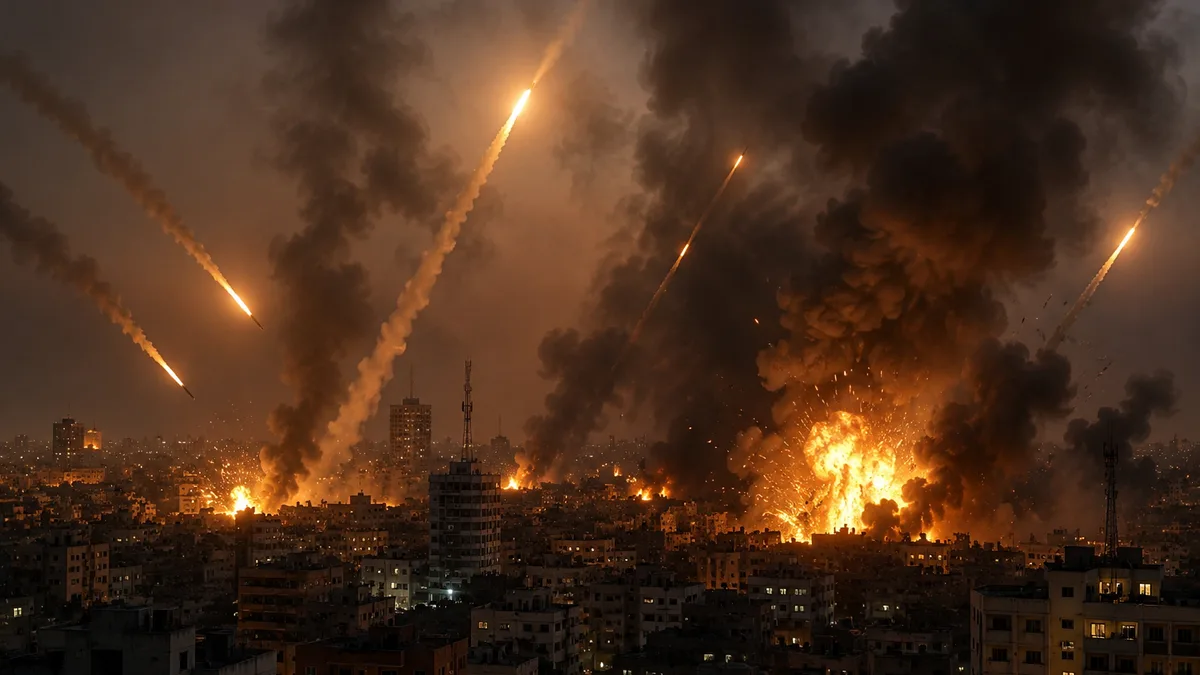
Israel carried out a new wave of airstrikes across Lebanon shortly after the announcement of a temporary ceasefire between the United States and Iran, raising serious concerns about the stability of the agreement and the future of regional peace efforts.
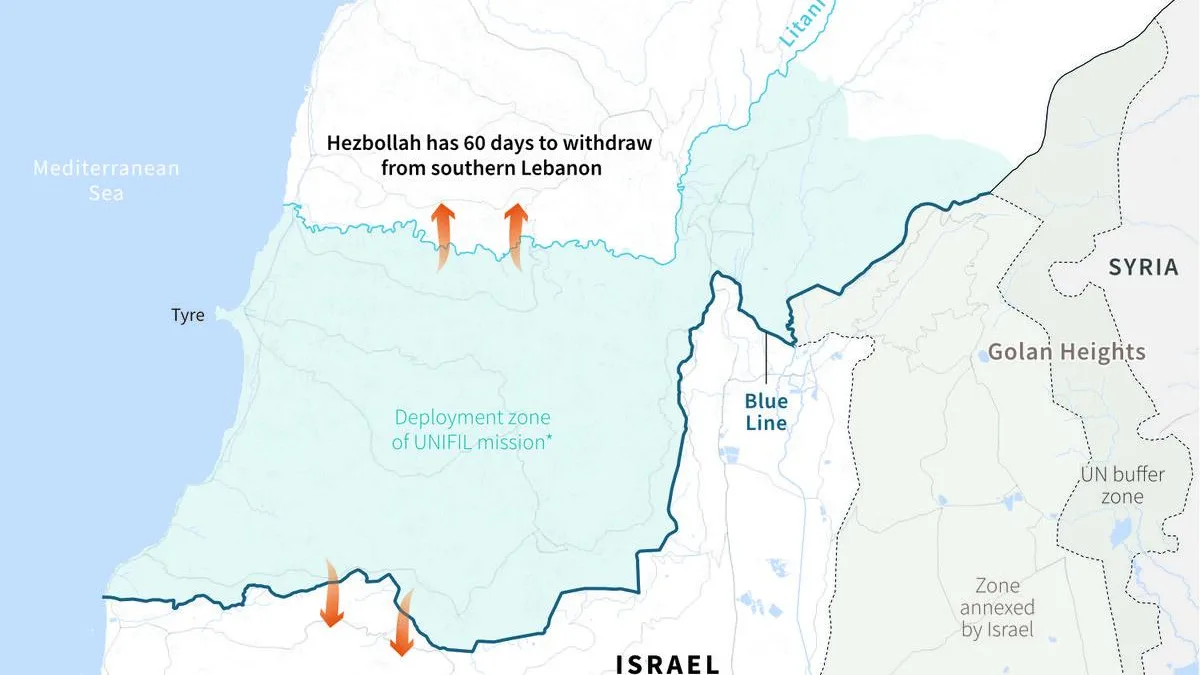
Israeli defense officials stated clearly that the ceasefire agreement applies only to direct tensions involving Iran and does not include Israel’s ongoing military campaign against Hezbollah positions inside Lebanon. As a result, Israeli forces continued targeting suspected Hezbollah infrastructure in southern Lebanon and areas near Beirut.
Over 100 Targets Hit as Situation Intensifies
According to international security reports, Israeli air operations targeted more than 100 suspected Hezbollah locations, including storage facilities, communication centers, and strategic operational positions. The strikes were described as one of the largest coordinated military actions in recent weeks across Lebanese territory.
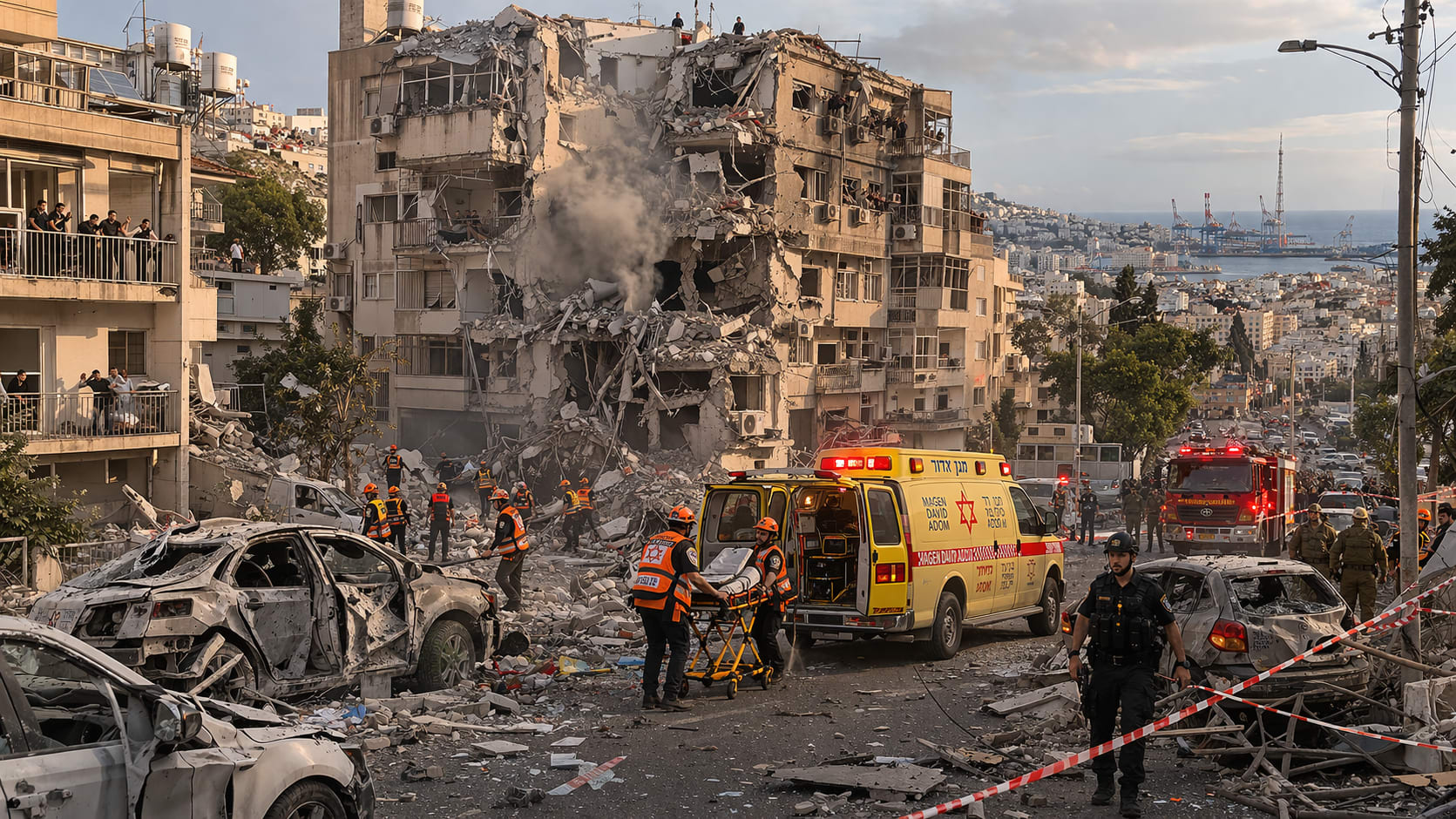
Local authorities reported heavy damage in several regions, with emergency services responding to multiple strike locations throughout the night.
Iran Issues Strong Warning After Latest Attacks
Iran reacted strongly to the continuation of Israeli military activity in Lebanon and warned that further escalation could threaten the stability of the ceasefire arrangement announced earlier. Iranian officials stated that continued strikes in the region may trigger broader responses if the situation worsens.
Regional observers believe Iran is closely monitoring developments and coordinating diplomatic responses while maintaining strategic readiness.
United Nations Expresses Concern Over Civilian Impact
The United Nations expressed serious concern over the humanitarian situation following the strikes, especially reports involving civilian casualties and infrastructure damage. Officials called for restraint from all sides and urged efforts to prevent further escalation across the region.
International agencies also warned that continued conflict activity in Lebanon could worsen the humanitarian situation and increase displacement risks.
Strait of Hormuz Tensions Raise Global Concerns
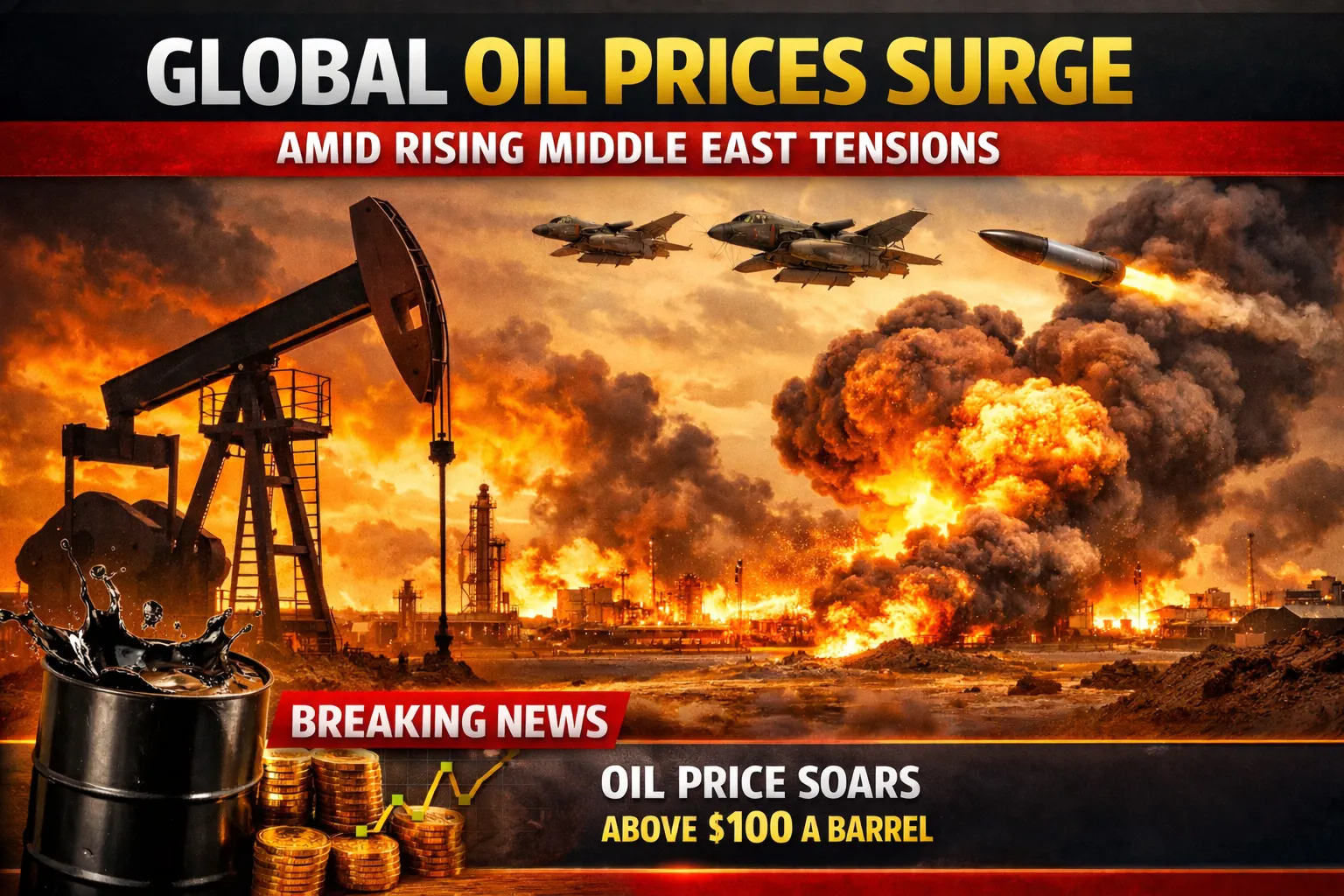
Following the latest developments, reports suggested increased security activity around the Strait of Hormuz, one of the world’s most critical global oil supply routes. Analysts warned that any disruption in this area could affect international energy markets and global economic stability.
Security experts believe continued escalation between regional forces could increase pressure on global shipping routes and energy supply chains.
Middle East Conflict Risk Rising Again
Despite diplomatic efforts to stabilize tensions through the temporary ceasefire agreement, the continuation of Israeli strikes in Lebanon shows that the broader Middle East conflict remains fragile and unpredictable.
International observers are closely monitoring whether the situation develops into a wider regional confrontation or returns to controlled negotiations in the coming days.