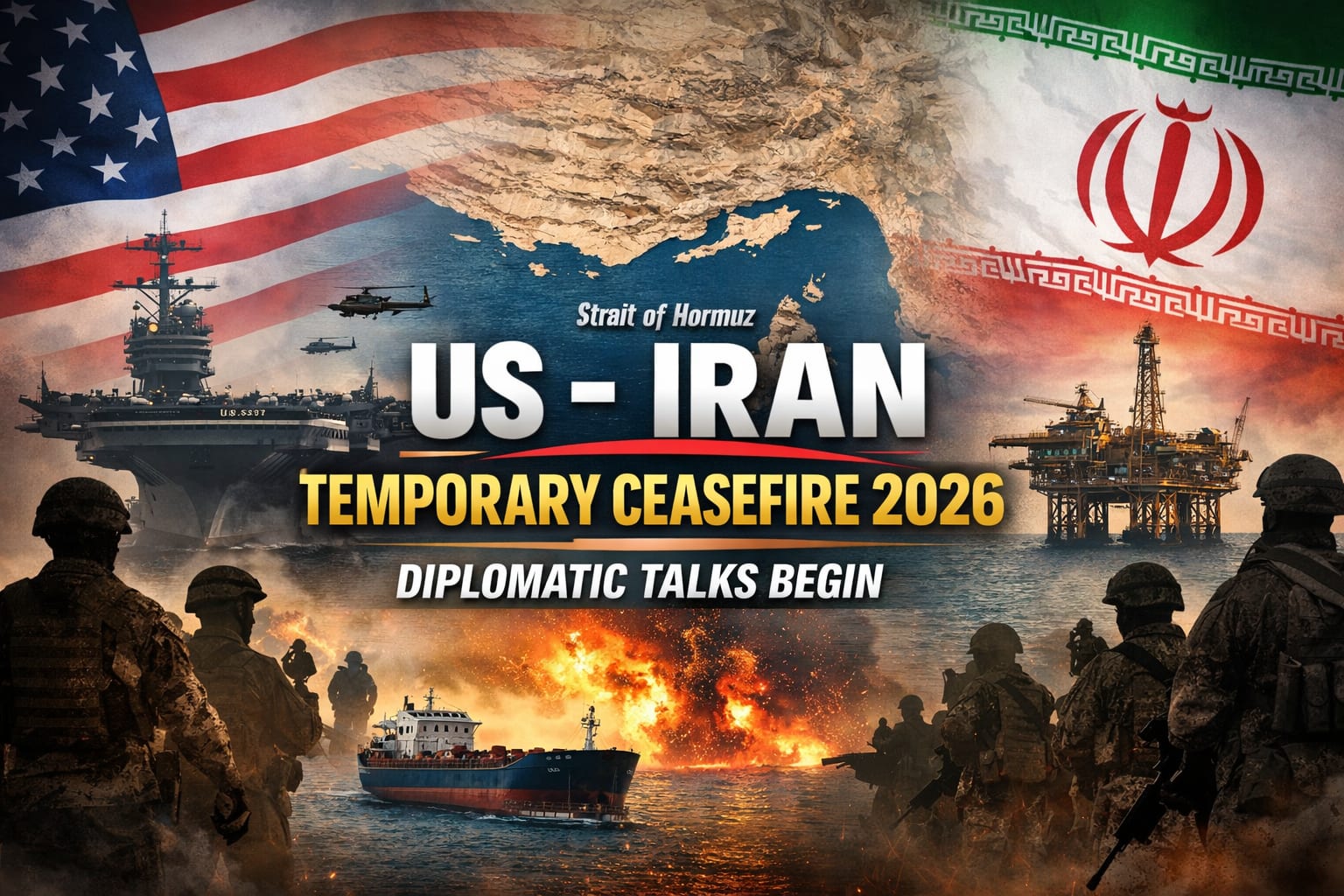
Iran Israel War Latest Update 2026: Missiles Fired, Airstrikes Hit Multiple Targets
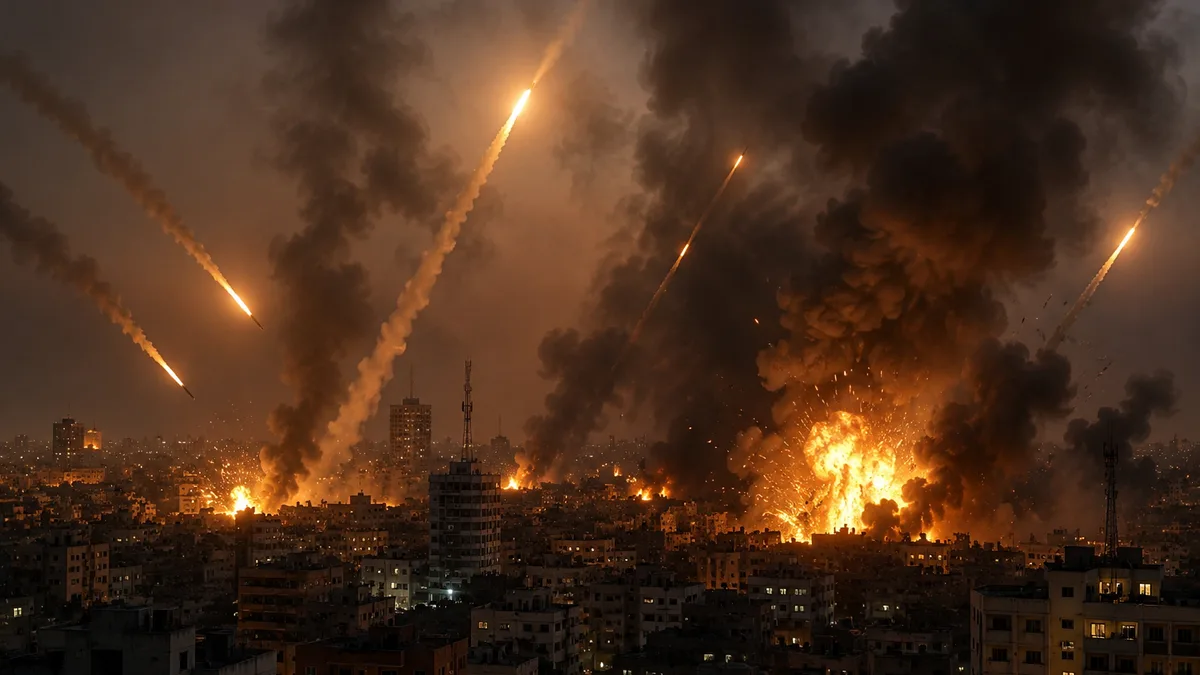

Iran and Israel exchanged fresh missile and air strikes on June 8, 2026. Explosions were reported in Tehran and other cities as tensions surged across the Middle East.
The fragile ceasefire between Iran and Israel came under severe pressure on Monday after both countries exchanged fresh military strikes in the most significant escalation since the April ceasefire agreement.
According to multiple international reports, Iran launched a new wave of ballistic missiles toward Israel early Monday morning. Israeli defense systems were activated immediately, and several incoming missiles were intercepted before reaching their intended targets. The attack marked Iran's first major direct missile operation against Israel since the ceasefire took effect earlier this year.
How the Latest Escalation Began
The latest confrontation started after Israel carried out military operations linked to Hezbollah targets in Lebanon. Iran strongly condemned the action and responded by launching missiles toward Israeli territory under what Iranian military officials described as "Operation Nasr." Iranian authorities claimed that strategic Israeli military facilities and air bases were among the intended targets.
Israeli officials confirmed missile launches from Iran and activated nationwide air defense systems. Warning sirens were reported in several regions as residents were instructed to move to protected shelters.
Israel's Retaliatory Airstrikes
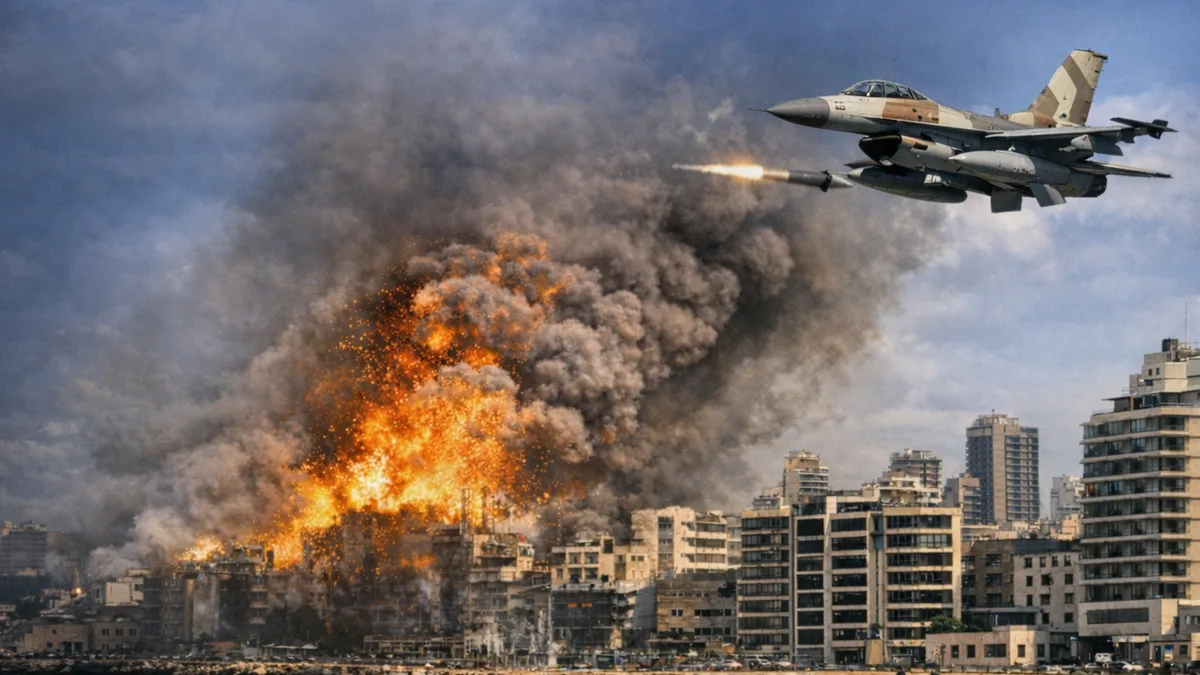
In response, Israel launched large-scale airstrikes against military and defense-related targets inside Iran. Reports indicated explosions in Tehran, Isfahan, Karaj, Tabriz, and other locations. Israeli military sources stated that strategic defense systems, missile infrastructure, and military facilities were targeted during the operation.
Iranian officials accused Israel of targeting critical infrastructure, including facilities connected to the country's petrochemical sector. Tehran warned that any further attacks would trigger a stronger response.
Haifa Targeted by Iranian Missiles
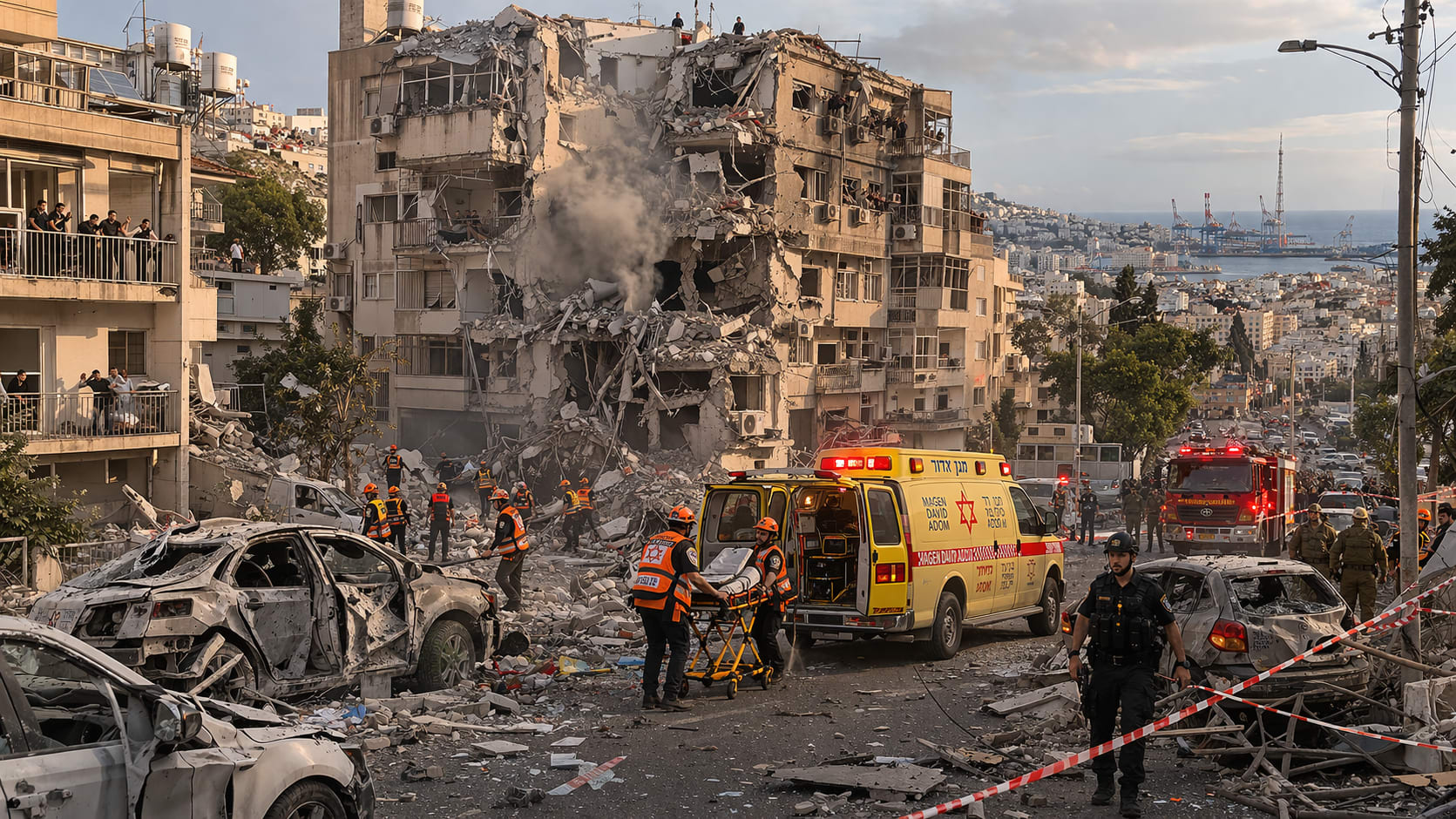
Iran's Revolutionary Guards claimed that missiles struck targets near Haifa, including a petrochemical facility. The strike was presented by Tehran as retaliation for Israeli attacks on Iranian infrastructure. Israeli authorities have not fully confirmed the extent of damage but acknowledged ongoing missile threats from Iran.
International Concern Grows
The renewed conflict has raised concerns across the international community. Several countries have called for restraint and urged both sides to avoid a wider regional war. Reports indicate that diplomatic efforts are continuing to prevent further escalation.
India has also issued an advisory asking Indian nationals in Iran to avoid unnecessary travel and consider leaving through available transportation options due to the deteriorating security situation.
Temporary Halt in Strikes
Later in the day, both Iran and Israel signaled a temporary pause in military operations. However, officials from both sides warned that the situation remains highly volatile and that further attacks could resume if either side launches new operations.
What Happens Next?
Security analysts believe the coming days will be critical for the future of the ceasefire. While diplomatic channels remain active, the latest exchange of missile and air strikes has demonstrated how quickly tensions can escalate in the Middle East.
Global markets are also closely monitoring developments, as any prolonged conflict could affect oil supplies, shipping routes, and regional stability.