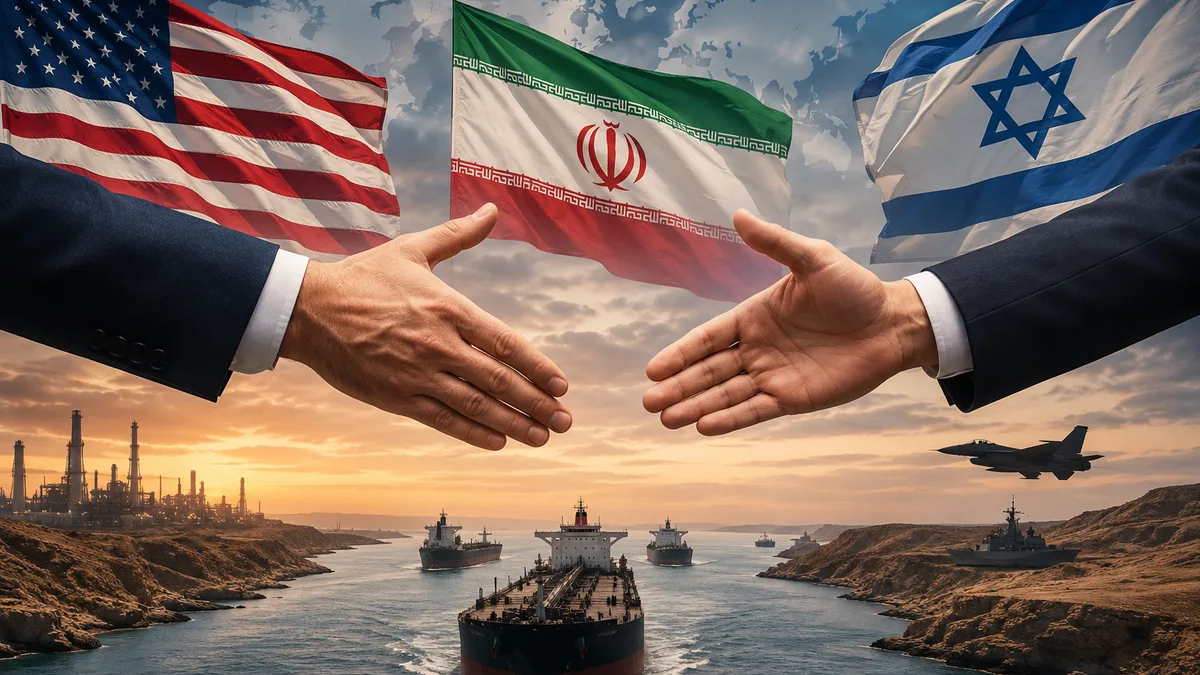
Iran–US Peace Deal 2026: Historic Breakthrough Ahead or Risk of Another Conflict?
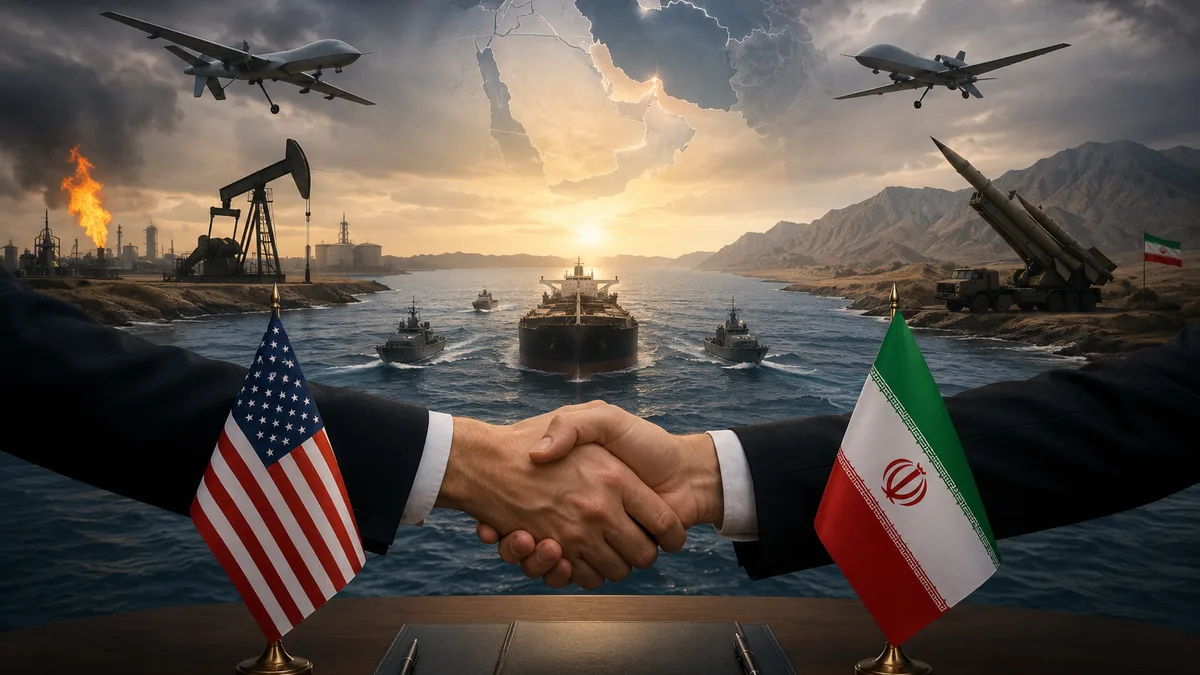

Iran and the United States appear closer to a peace agreement, but ongoing military tensions near the Strait of Hormuz keep the risk of escalation alive. Here's what the latest developments mean.
The world is watching one question more closely than any other this week: Are the United States and Iran finally moving toward peace, or is the region heading toward another dangerous escalation?
After months of military confrontations, sanctions, drone incidents, and diplomatic negotiations, officials from both Washington and Tehran have signaled that a potential agreement may be closer than at any point since the conflict began. However, military activity around the strategically important Strait of Hormuz continues to raise concerns that peace remains fragile.
The outcome of these negotiations could influence global oil markets, regional security, and international diplomacy for years to come.
Why the Iran–US Conflict Matters to the WorldThe relationship between Iran and the United States has been tense for decades. Recent military actions and regional disputes pushed tensions to one of their highest levels in years.
At the center of the dispute are several critical issues:
- Iran's nuclear program
- Economic sanctions imposed by the United States
- Security concerns in the Gulf region
- Control and access to the Strait of Hormuz
- Regional military influence and strategic alliances
These issues affect not only the Middle East but also global energy supplies and international trade routes.
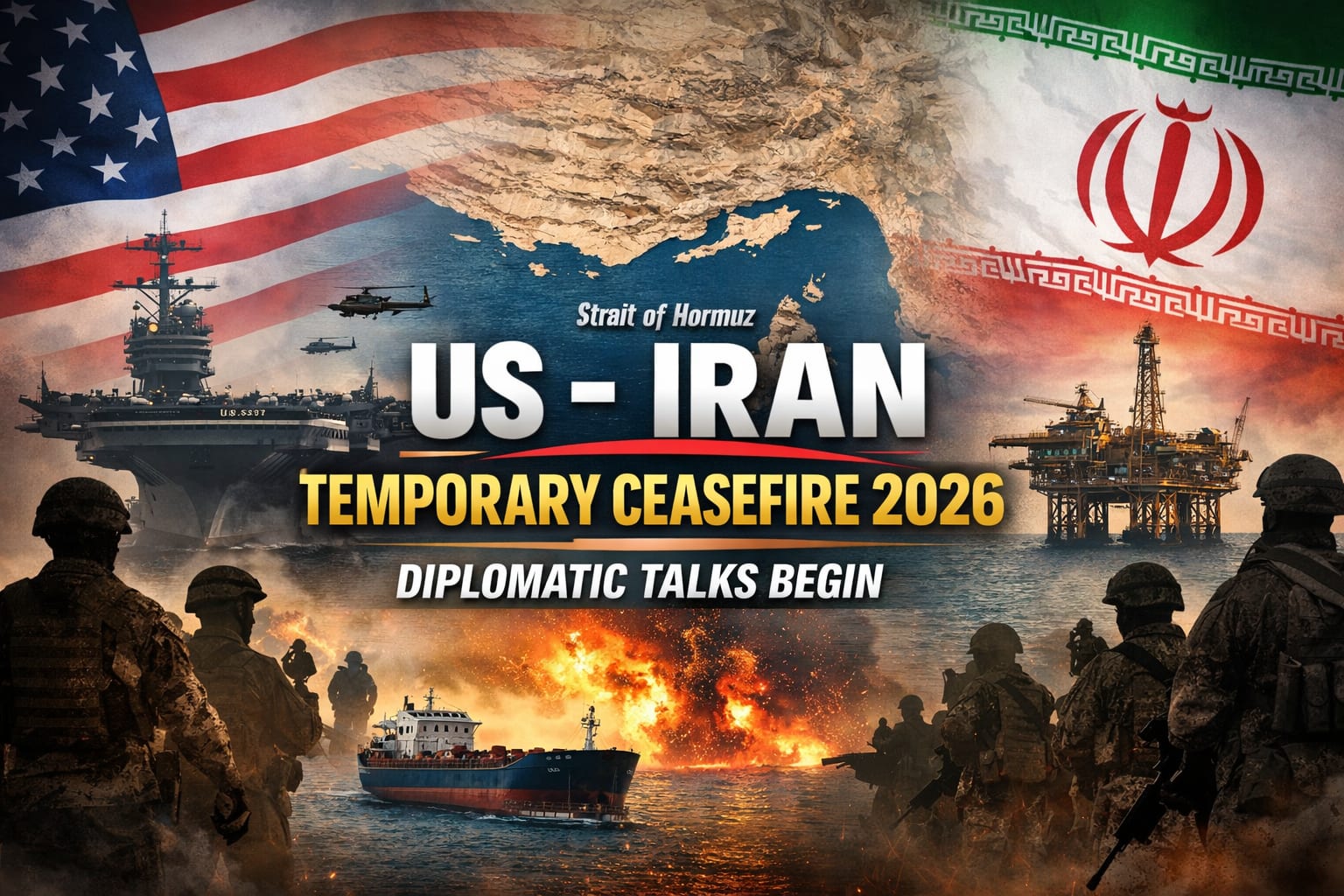
US-Iran Peace Talks Gain Momentum as Strait of Hormuz
Signs of a Possible BreakthroughDiplomatic sources indicate that negotiators from both countries have been discussing a framework that could reduce tensions and reopen channels for future negotiations.
According to reports, the proposed understanding may include:
- Reopening maritime routes through the Strait of Hormuz
- Gradual easing of certain economic restrictions
- Discussions regarding Iran's nuclear activities
- Measures designed to prevent further military escalation
Officials on both sides have expressed cautious optimism, although neither government has announced a finalized agreement. Some reports suggest that draft texts have already been prepared, while other officials emphasize that key details still require negotiation.
This has created a mixture of hope and uncertainty across international markets.
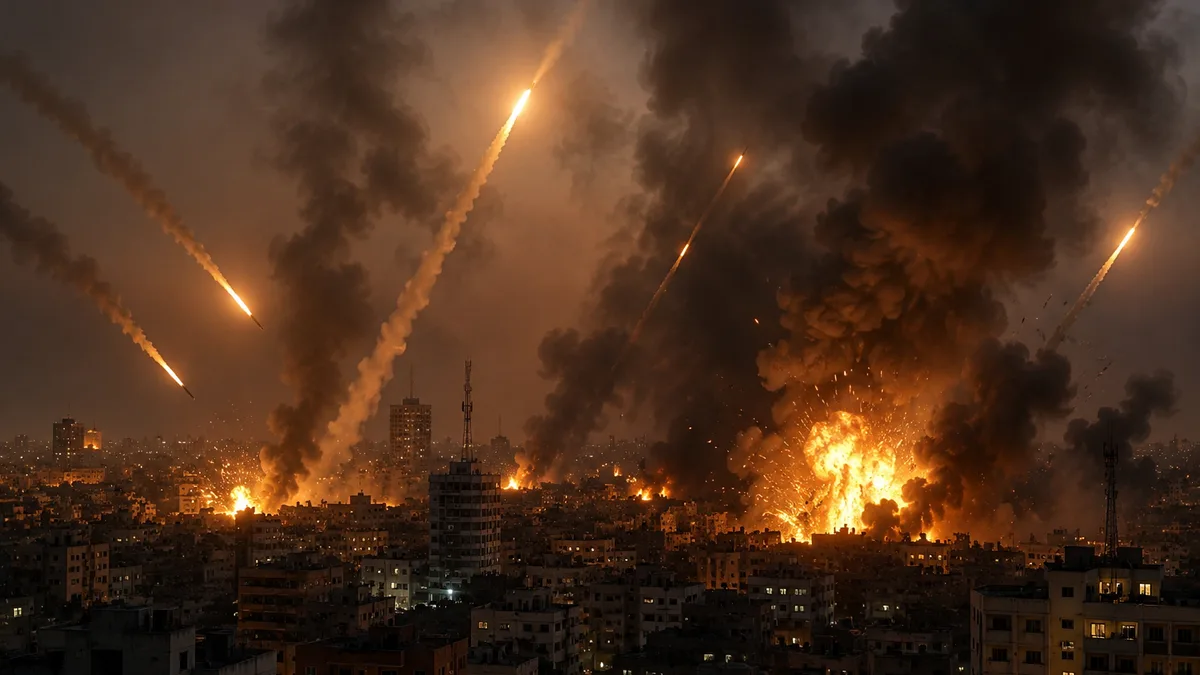
Military Tensions Continue Despite DiplomacyEven as negotiations advance, military incidents have not completely stopped.
Recent reports indicate that U.S. forces intercepted drones near the Strait of Hormuz, highlighting the continuing security risks in one of the world's most important shipping corridors. The incident demonstrates that diplomatic progress can be quickly undermined by military developments on the ground.
Security analysts warn that a single miscalculation by any side could significantly increase tensions and complicate ongoing peace efforts.
Why the Strait of Hormuz Is So ImportantThe Strait of Hormuz is one of the world's most critical maritime routes.
A significant portion of global oil and gas shipments pass through this narrow waterway every day. Any disruption can immediately affect:
- International oil prices
- Energy supplies
- Shipping costs
- Inflation in multiple countries
Because of its economic importance, investors and governments are closely monitoring every development related to the region.
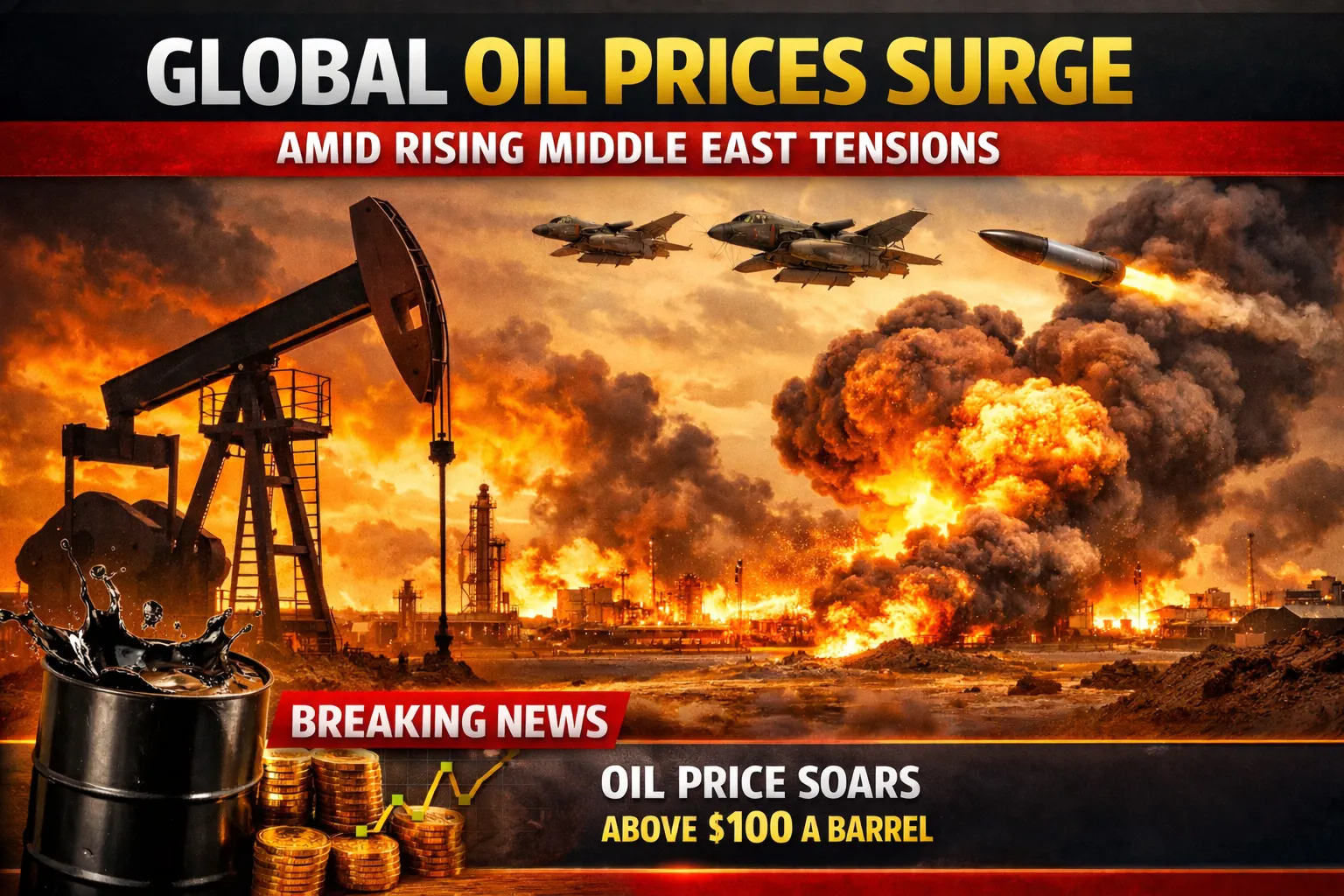
Global Markets ReactFinancial markets have responded positively to signs of possible diplomatic progress.
Oil prices experienced notable fluctuations as traders assessed the possibility of a future agreement. Many investors believe that a successful deal could reduce risks to energy supplies and improve stability across global markets. However, analysts caution that uncertainty remains high until an official agreement is signed and implemented.
The Challenges Still AheadWhile optimism has increased, several major obstacles remain.
Key unresolved issues reportedly include:
- Verification mechanisms related to nuclear activities
- The timeline for sanctions relief
- Security arrangements in the Gulf region
- Regional military concerns involving other countries
Diplomatic experts note that peace agreements often become most difficult during the final stages of negotiation, when details must be converted into binding commitments.
What Happens Next?The coming days could prove decisive.
If negotiators successfully finalize an agreement, the Middle East may enter a new phase of diplomacy and economic recovery. If talks collapse or military incidents increase, tensions could return rapidly.
For now, both possibilities remain on the table.
The world is witnessing a critical moment in international relations—one that could either mark the beginning of a new diplomatic chapter between Iran and the United States or open the door to another period of instability and confrontation.