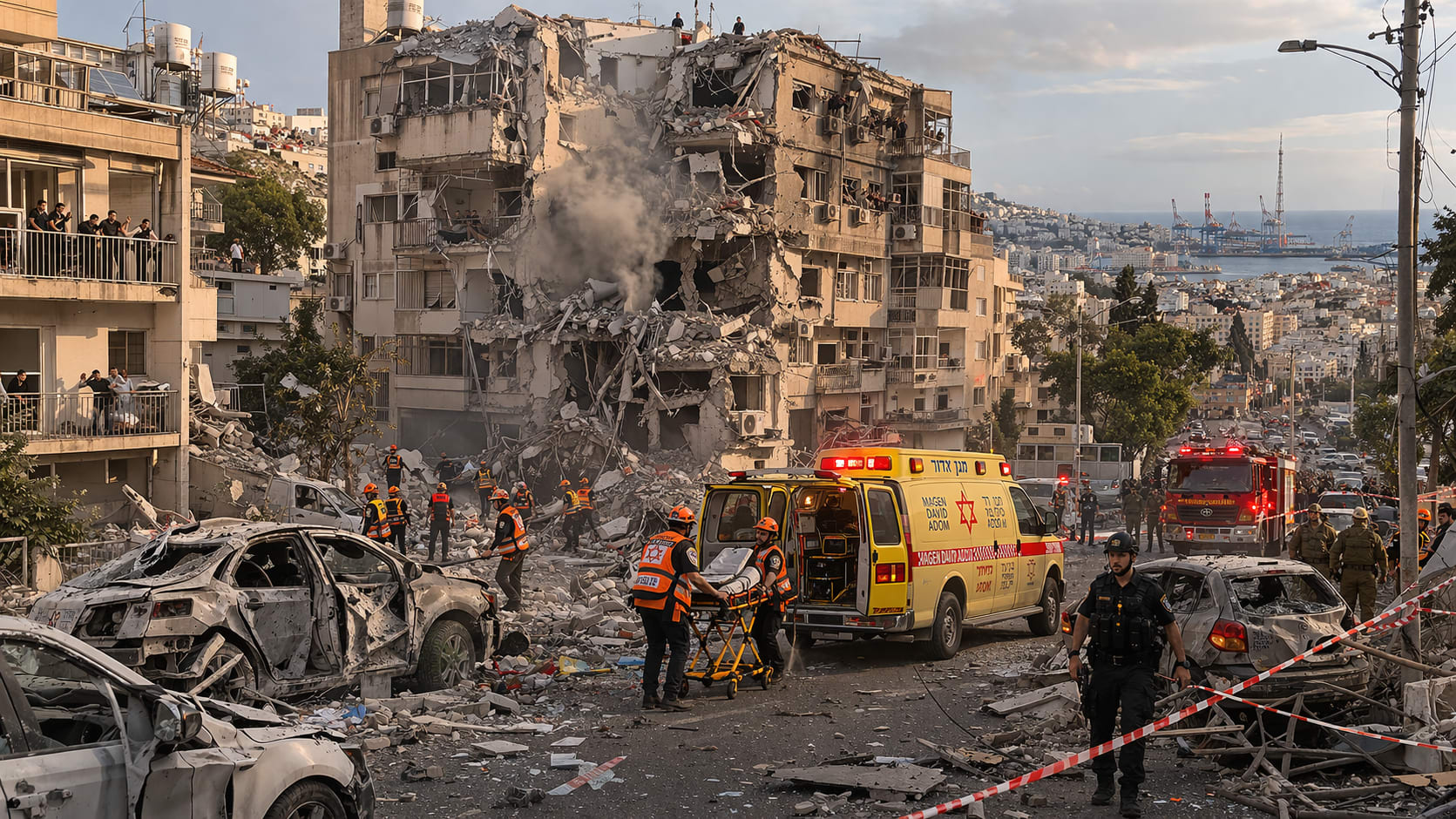
Israel–Lebanon Ceasefire 2026 Latest Border Tension Update
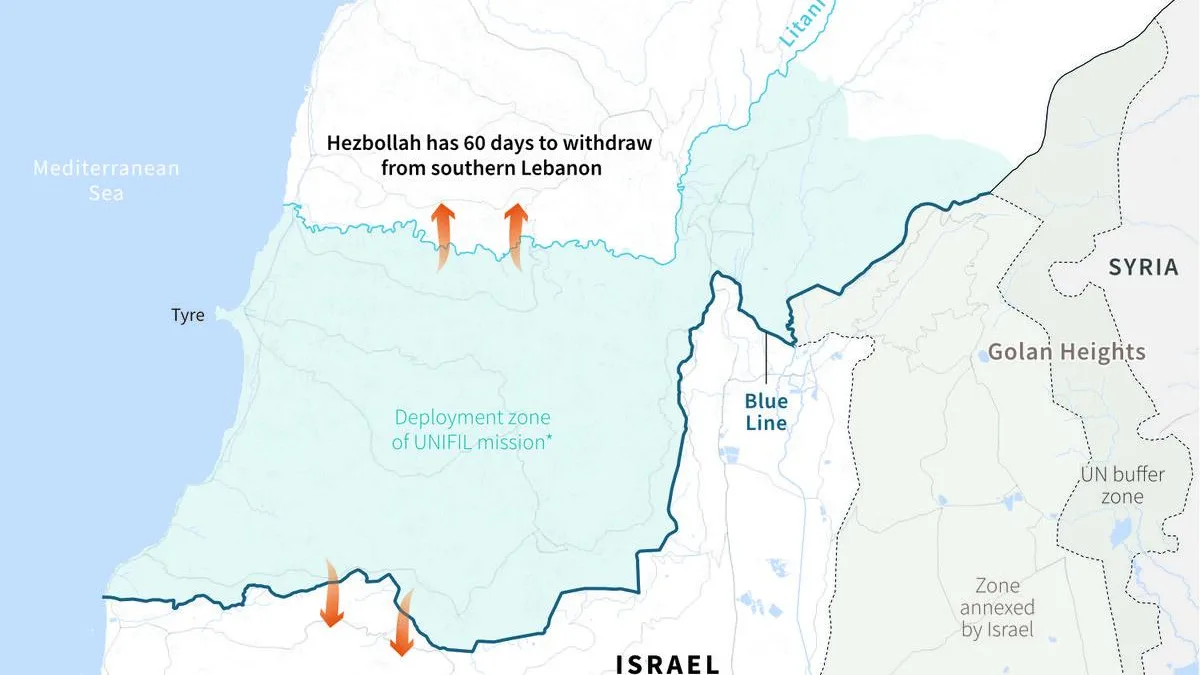

Israel Lebanon ceasefire continues amid rocket attacks and peace talks on border security.
A temporary ceasefire between Israel and Lebanon came into effect on 16 April 2026, aiming to stop active fighting along the northern Israel–southern Lebanon border and create space for diplomatic negotiations. The truce was facilitated with international mediation and designed as a 10-day halt to hostilities while both sides explored possibilities for a longer-term agreement.
This agreement marked the first direct diplomatic engagement between Israel and Lebanon in decades, highlighting the seriousness of the regional crisis and the urgency to prevent wider escalation across the Middle East.
Hezbollah Not a Formal Signatory but Key Player in ConflictAlthough the ceasefire agreement was officially announced between Israel and Lebanon, Hezbollah — the main armed group involved in cross-border fighting — was not a formal signatory to the truce. This has made the ceasefire fragile from the beginning.
Security experts believe the absence of Hezbollah in the agreement structure remains one of the biggest risks to long-term stability along the border region.
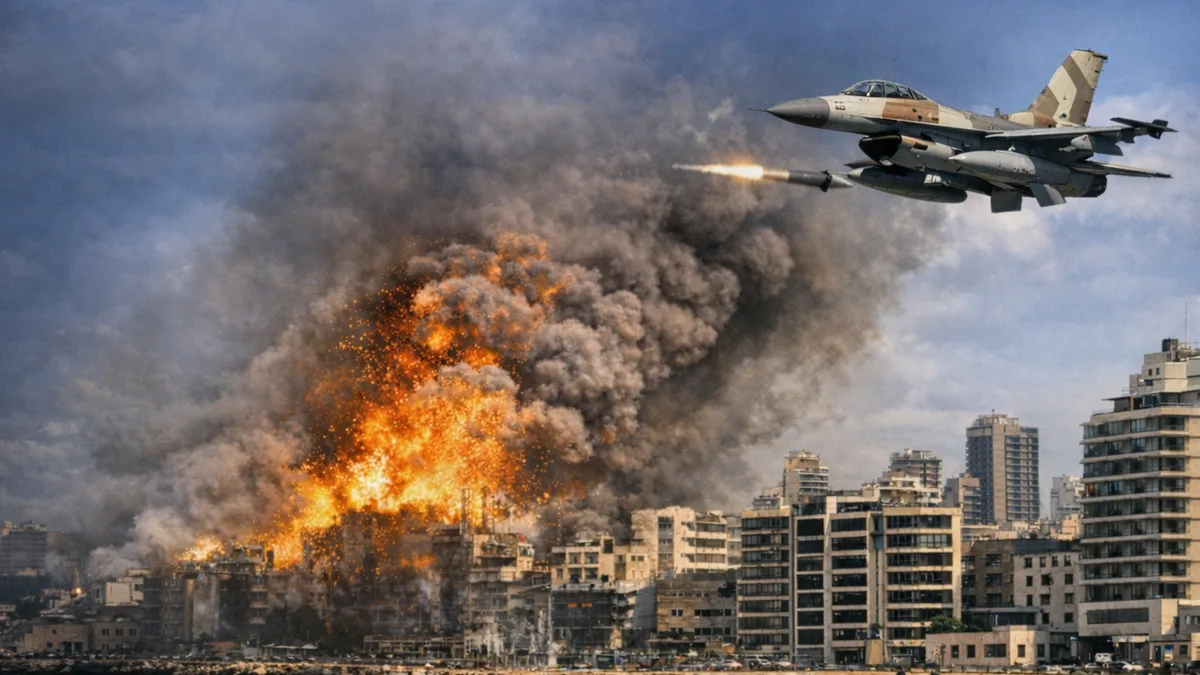
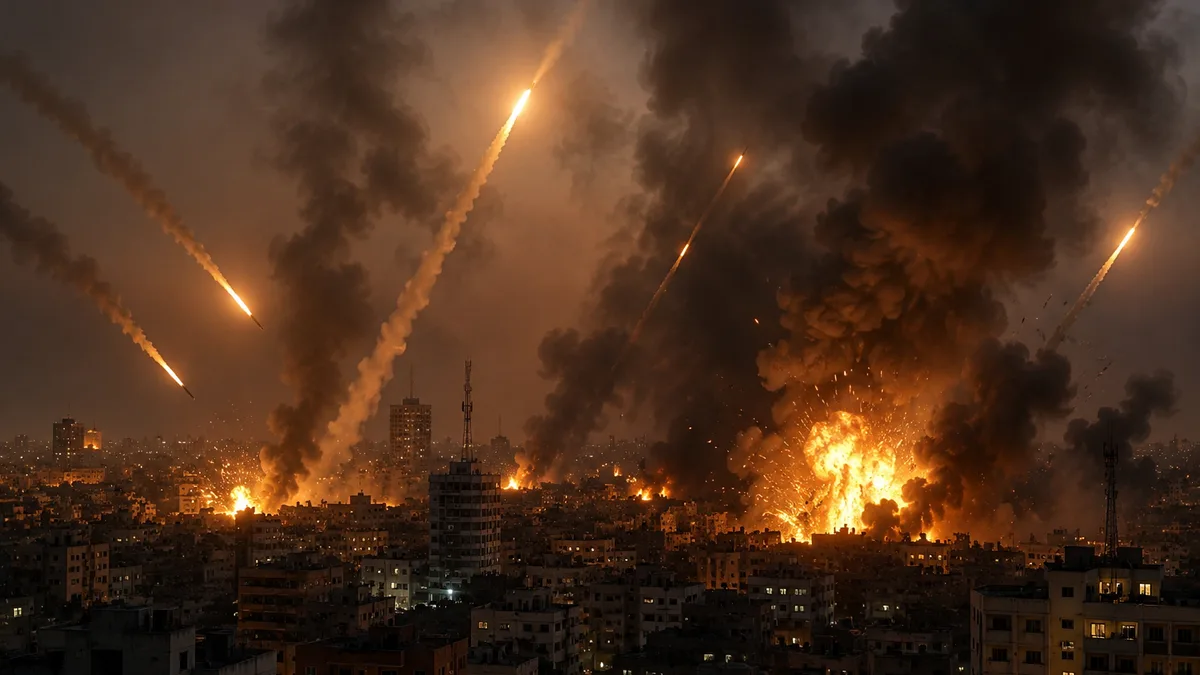
Rocket Fire and Drone Activity Reported Despite CeasefireEven after the ceasefire started, rocket and drone exchanges were reported near the border, with both sides accusing each other of violating the truce conditions.
Israeli forces reported rocket launches from southern Lebanon, while Hezbollah said its attacks were responses to Israeli military activity inside Lebanese territory.
These incidents show that the ceasefire is currently holding but remains extremely fragile.
Israel Maintains Military Presence Inside Southern LebanonDuring the ceasefire period, Israeli forces continued to maintain a 5–10 kilometre security belt inside southern Lebanon, describing it as a buffer zone intended to prevent future cross-border attacks.
The deployment includes multiple military divisions operating in the region to dismantle militant infrastructure and protect northern Israeli communities near the border.
Lebanese officials warned that continued military presence inside their territory could complicate negotiations and increase tensions further.
Humanitarian Situation Remains Serious Near Border AreasThe conflict before the ceasefire caused large-scale displacement across southern Lebanon, with over one million civilians forced to leave their homes during the escalation earlier in 2026.
Access to several villages near the border remains restricted due to security concerns and ongoing military deployments.
International organisations continue monitoring the humanitarian situation as displaced families wait for conditions to stabilise.
Peace Talks Continue With US-Facilitated NegotiationsDiplomatic discussions between Israel and Lebanon are continuing with international mediation support. A second round of talks is expected to focus on:
- long-term border security arrangements
- preventing future rocket attacks
- strengthening Lebanese state control in southern regions
- reducing militia activity near the border
These negotiations are considered critical for converting the temporary ceasefire into a permanent stability framework.
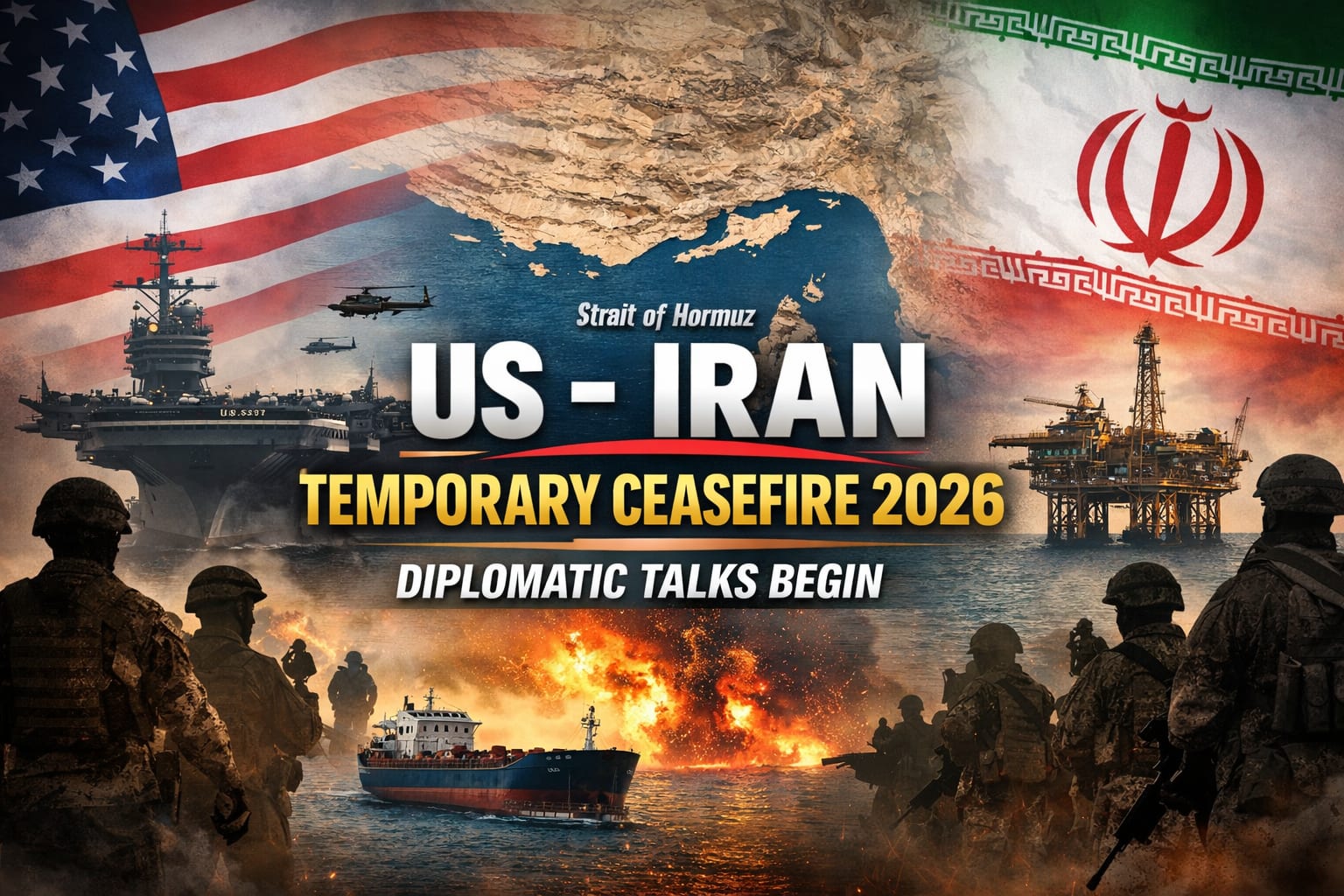
Risk of Escalation Still Exists Despite Ceasefire AgreementSecurity analysts say the ceasefire is not a final peace settlement, but rather a temporary pause in a wider regional conflict involving Israel, Hezbollah, and Iran-linked tensions across the Middle East.
Recent incidents including drone strikes, artillery exchanges, and continued troop deployment indicate that any violation could quickly restart fighting along the border.
Global observers are closely monitoring developments because instability in southern Lebanon could affect the broader Middle East security situation.