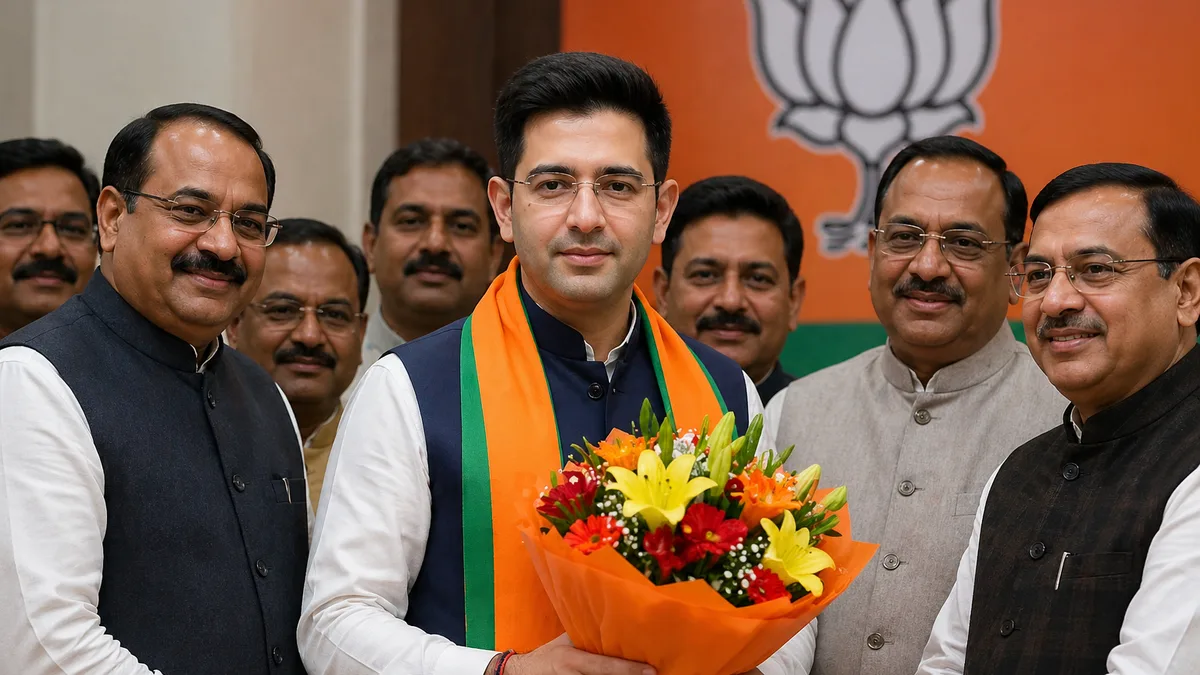
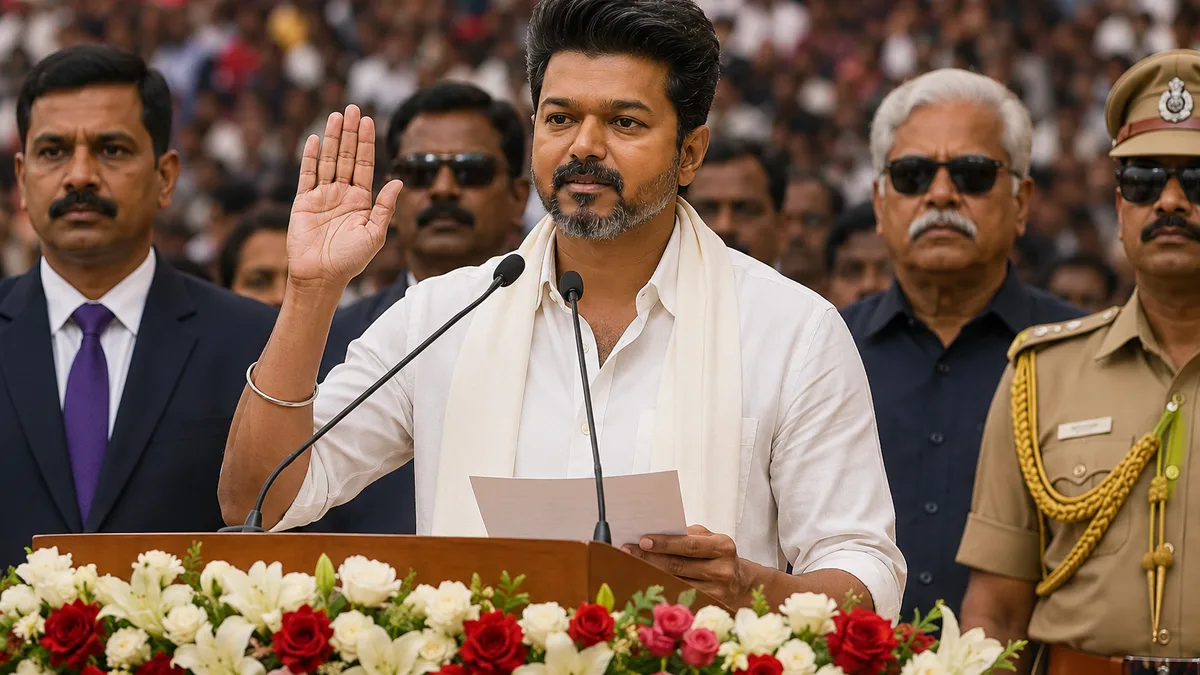
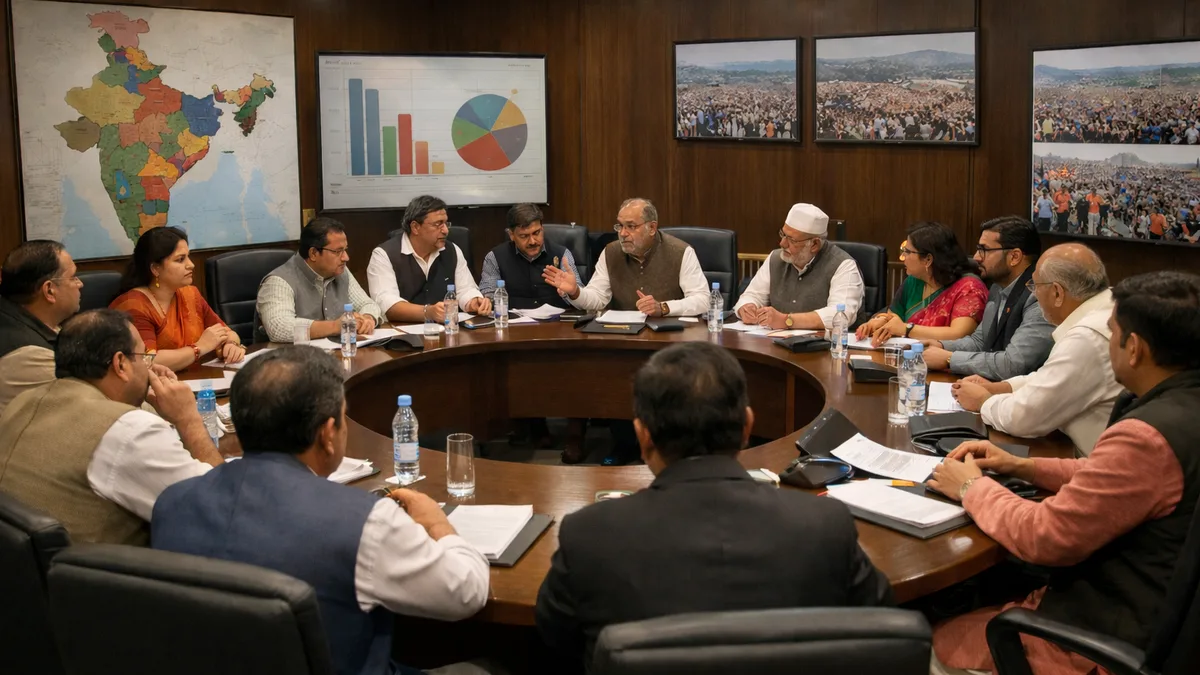
Raghav Chadha joins BJP with 6 AAP MPs — full list, reasons, impact explained


Raghav Chadha left AAP with six Rajya Sabha MPs and joined BJP, impacting Parliament strength, anti-defection rules, party politics, and opposition strategy in India 2026.
Major Political Development in April 2026
In a dramatic political shift, Raghav Chadha and six other Rajya Sabha MPs resigned from AAP and merged with BJP, crossing the constitutional two-thirds threshold required for a legal parliamentary merger. This move significantly reduced AAP’s presence in the Upper House and strengthened BJP-led NDA numbers.
This development is considered one of the biggest parliamentary defections of 2026 and has triggered strong reactions across political parties.
Full List of 7 MPs Who Left AAP with Raghav Chadha
These leaders joined BJP together:
- Raghav Chadha
- Sandeep Pathak
- Ashok Kumar Mittal
- Swati Maliwal
- Harbhajan Singh
- Vikram Sahney
- Rajendra Gupta
Together they formed more than two-thirds of AAP’s Rajya Sabha MPs, allowing a legal merger under constitutional provisions without losing their seats.
Why Raghav Chadha Left AAP
According to statements by Chadha and political reports:
1. Internal Differences with Party Leadership
He said AAP had moved away from its original principles and values, which became a major reason behind his exit.
2. Allegation of “Toxic Work Environment”
Chadha publicly claimed there was a toxic internal environment inside AAP, influencing his decision.
3. Removed from Rajya Sabha Deputy Leader Position
He had earlier been replaced as deputy leader in the Upper House — seen as a signal of weakening internal position.
4. Long-Term Political Differences Since 2024
Reports say his silence during key political developments hinted at growing distance from party leadership.
Political Benefit of Leaving with 6 MPs
Moving with six MPs together gave major advantages:
1. No Disqualification Under Anti-Defection Law
Because they crossed the two-third rule, their merger remained legally valid.
2. Strength Increased for NDA in Rajya Sabha
After joining BJP, NDA strength rose significantly while AAP numbers dropped sharply.
3. Stronger National Political Position
Joining the ruling alliance increases chances of:
- committee influence
- policy participation
- ministerial opportunities (speculated politically)
- national visibility
Reaction from AAP Leadership
AAP strongly criticized the move and called it a politically engineered defection, accusing BJP of weakening opposition parties.
Punjab Chief Minister Bhagwant Mann also described the defecting MPs as “traitors” to the party mandate.
Social Media Reaction & Followers Drop
After joining BJP, online backlash was reported, especially among younger supporters. Some reports indicated Chadha lost a large number of social media followers shortly after the announcement, reflecting mixed public reactions.
(Exact follower loss numbers vary across platforms and are not officially confirmed.)
Impact on Parliament & Indian Politics
This shift created three major national-level effects:
- AAP’s Rajya Sabha strength reduced drastically
- BJP-led NDA numbers increased in Upper House
- Opposition unity narrative weakened temporarily
Political observers described the move as a major turning point in 2026 parliamentary politics.
Conclusion
The decision by Raghav Chadha and six MPs to leave AAP together was not an individual switch but a strategic parliamentary merger, legally protected under constitutional provisions. The move reshaped Rajya Sabha numbers and triggered strong national political reactions across parties.